Business Book Ghostwriting: A Strategic Guide for Authors
August 3, 2026
Memoir Ghostwriting Services: How to Protect Your Voice and Story
August 7, 2026The Four Editing Stages for Authors: What Self-Published Writers Should Understand

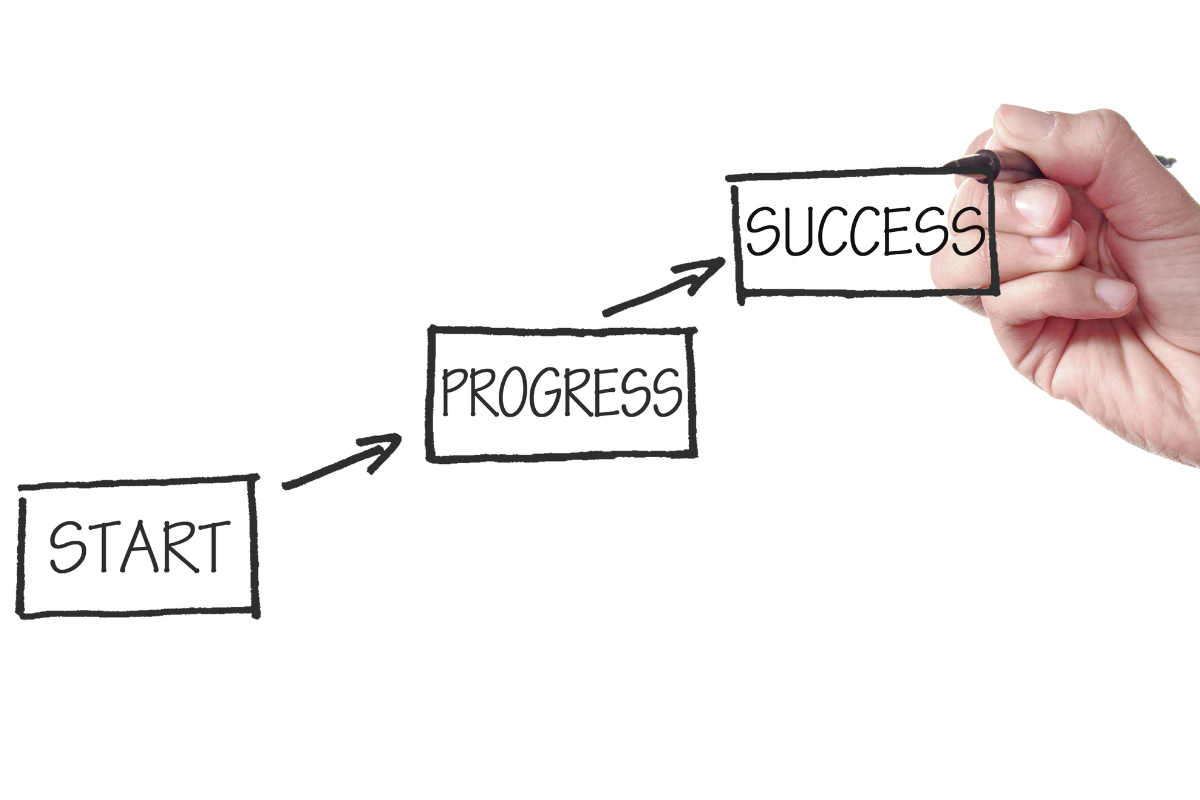
Finishing a manuscript brings a well-earned sense of relief. You’re finished! But then you encounter similar-sounding editing services, and the idea of being finished suddenly feels less straightforward.
Developmental editing, line editing, copyediting, and proofreading examine different layers of the book. Understanding the editing stages for authors turns a confusing menu of services into an orderly progression from big-picture decisions to final-page details.
Elite Authors’ professional book editing services follow this progression, so authors can strengthen a manuscript at the level it needs instead of treating editing as one indistinct pass.
What are the four editing stages for authors?
The four editing stages for authors are:
- developmental editing
- line editing
- copyediting
- proofreading
The process moves from big-picture structure to sentence-level style, technical correctness, and a final review of the formatted book. Following that order prevents authors from polishing material that still needs substantial revision.
| Stage | Primary focus | Manuscript condition | Main outcome |
| Developmental editing | Structure, content, plot, argument, pacing | Early or substantially revised draft | Stronger foundation and revision plan |
| Line editing | Voice, clarity, rhythm, tone, sentence flow | Structurally stable manuscript | Clearer, more effective prose |
| Copyediting | Grammar, punctuation, usage, accuracy, consistency | Content and language are largely settled | Clean, consistent manuscript |
| Proofreading | Final typos, layout, formatting, production errors | Formatted or print-ready book | Quality-controlled final proof |
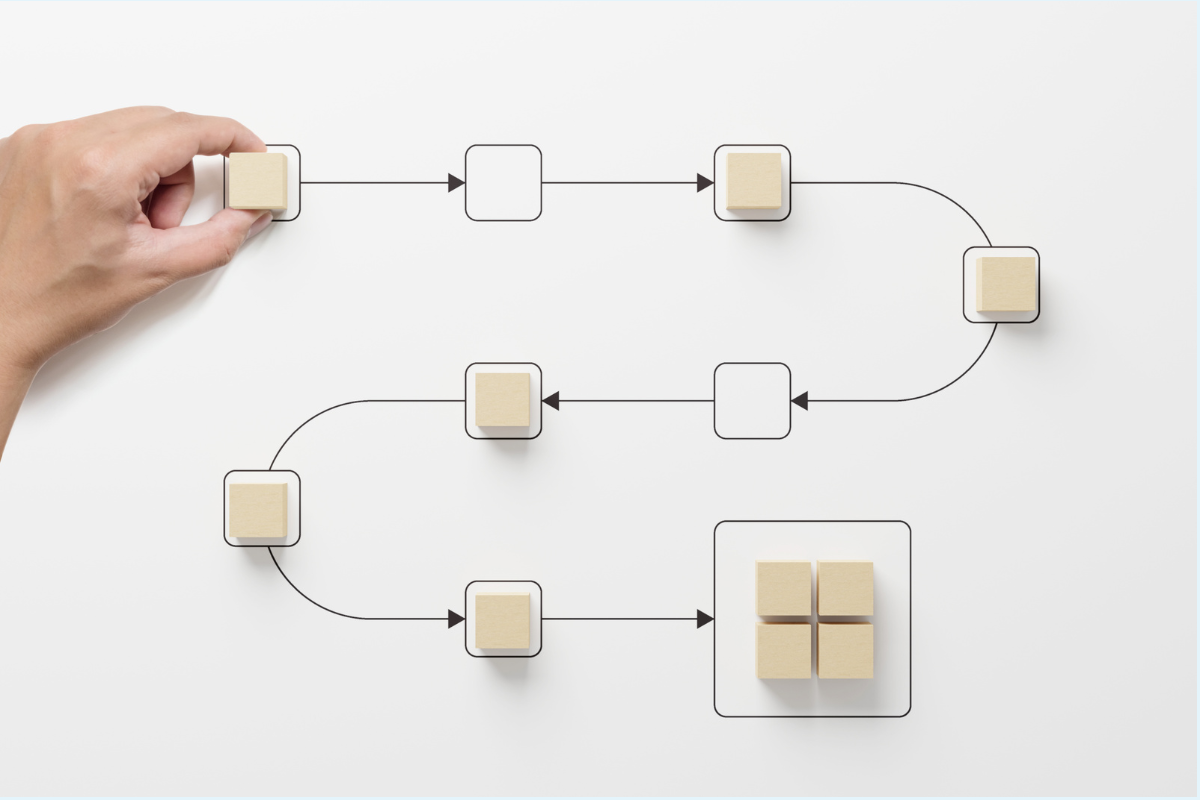
Think of the process as a camera moving closer to the manuscript. Developmental editing sees the full landscape; proofreading looks closely at the finest details. Some editors combine adjacent services, but the goals remain distinct—and the manuscript must be ready for each level of attention.
Stage 1: Developmental editing builds the book’s foundation
Developmental editing evaluates whether the book works as a complete reading experience. It focuses on structure, organization, plot, argument, pacing, character development, audience expectations, and the author’s intent.
For fiction, a developmental editor examines plot logic, character motivation, scene purpose, tension, and the ending. For nonfiction, the editor assesses the premise, chapter order, logical progression, examples, repetition, and content gaps.
Feedback arrives through an editorial letter, manuscript comments, or an evaluation. Because this stage addresses the largest elements, it can lead to substantial revision: Chapters may move, scenes may change, or an argument may need stronger support.
For many authors, this feels intimidating after finishing a draft, but developmental editing is not meant to replace the author’s vision. It helps the book become what the author intended it to be but might not have fully captured with a first draft.
The manuscript is generally ready to move forward when its order is stable, major content decisions are settled, and the author no longer anticipates a large-scale rewrite.
Developmental editing determines whether the book works.
Stage 2: Line editing strengthens the writing
Once the book’s structure is sound, line editing focuses on how the writing communicates. It improves clarity, flow, tone, rhythm, voice, word choice, and readability at the sentence and paragraph level.
The main question is no longer, “Does this chapter belong?” It is, “Is this the most effective way to express what belongs here?”
A line editor identifies repetition, unnecessary words, weak transitions, inconsistent tone, awkward dialogue, or vague phrasing. The goal is to improve pace and clarity without flattening the author’s personality.
The manuscript is ready for copyediting when the voice and tone are consistent, the paragraphs flow well, and significant rewriting is complete.
Line editing determines how effectively the writing communicates.
Stage 3: Copyediting makes the manuscript correct and consistent
Copyediting addresses the technical and mechanical details of a manuscript. It focuses on grammar, spelling, punctuation, usage, syntax, capitalization, consistency, cross-references, and internal discrepancies.
The copyeditor should be working with content that is largely settled. Otherwise, corrections may need to be repeated after another rewrite.
A copyeditor checks whether names, dates, terminology, headings, punctuation, capitalization, numbers, citations, and cross-references are treated consistently.
The editor may also create a style sheet recording project-specific decisions. This helps maintain consistency across the manuscript and gives the proofreader a useful reference.
Many book editors use the Chicago Manual of Style for guidance on style, grammar, punctuation, and usage, while still accounting for genre, audience, and author voice.
The difference between line editing and copyediting matters here. Line editing asks whether the writing is clear, engaging, and true to the author’s voice. Copyediting asks whether it is correct, accurate, and consistent. The editorial definitions for developmental, line, and copyediting recognize some overlap while distinguishing the primary purpose of each service.
The manuscript is ready for formatting when all changes and queries are resolved, temporary notes are removed, headings are consistent, and the text is final.
Copyediting ensures the manuscript is correct and consistent.
Stage 4: Proofreading checks the book readers will see
Proofreading is the final editorial quality check, typically performed after formatting on a print-ready PDF or production proof.
A proofreader looks for lingering typos, missing words, punctuation mistakes, incorrect page numbers, inconsistent fonts, awkward line breaks, faulty headers, and issues introduced during layout.
Why proofreading comes last
Proofreading checks the final form of the book, not simply the manuscript text.
Revisions can create new errors, and formatting can introduce inconsistent chapter openings, spacing problems, widows and orphans, or incorrect headers. Those details cannot be fully checked before the layout exists.
That is why copyediting and proofreading are not substitutes. Copyediting cleans and standardizes the manuscript before formatting. Proofreading reviews the formatted book before publication.
Copyediting cleans the manuscript. Proofreading checks the book.
Proofreading is not the stage for reorganizing chapters, rewriting substantial passages, repairing major argument gaps, or adding significant new material. Large revisions at this point may require another copyedit, updated formatting, and another proofread.
Professional book proofreading services provide a final set of fresh eyes when the content is complete and the book is nearly ready for readers.
Proofreading checks the final book readers will actually see.
Why the order of book editing protects your work
The right sequence protects several investments at once.
Your budget: Copyediting sentences that are later deleted or rewritten creates duplicated work instead of meaningful savings.
Your timeline: Beginning a later stage too soon leads to repeated editing, revised layouts, and production delays.
Your voice: Addressing structure, style, mechanics, and presentation in separate passes lets each editor focus without changing too many layers at once.
Your readers: Each stage removes a different distraction, from structural confusion to final-page errors.
When authors edit in sequence, each round builds on stable work. When they edit out of sequence, later revisions can undo earlier polish.
What happens when authors skip or reverse editing stages?
Skipping a stage makes sense when the manuscript has already received equivalent professional attention. Otherwise, it creates avoidable problems.
Copyediting before developmental editing: Carefully corrected chapters are later moved, rewritten, or removed.
Proofreading before formatting: Text errors may be caught, but final page breaks, running heads, spacing, pagination, and layout cannot be fully checked.
Formatting before copyediting is complete: Later corrections alter page flow and require the formatter to revisit finished work.
Using proofreading as a substitute for editing: A proofreader may flag a visible problem, but the service is not designed to repair structural, stylistic, or manuscript-wide consistency issues.
Skipping a stage does not always eliminate the work. It may simply move the problem downstream, where corrections are more disruptive.
Does every self-published book need all four stages?
Not every manuscript needs the same intensity of editing. A carefully revised book may require a lighter developmental review, while an early draft may need substantial structural work. One editor may also perform more than one service in separate passes.
Still, authors should evaluate every manuscript at four levels:
- Does the book work as a whole?
- Is the writing clear and effective?
- Is the manuscript correct and consistent?
- Is the formatted book free of final production errors?
The answer should depend on the manuscript’s condition—not the deadline, budget, or desire to be finished. Support is most useful when it matches the book’s actual needs.
How to know which editing stage your manuscript needs
You may need developmental editing when the structure feels unsettled, the plot or argument is not fully working, or you expect major revisions.
You may be ready for line editing when the structure is stable but the prose feels uneven, repetitive, unclear, or inconsistent in tone.
You may be ready for copyediting when substantial rewriting is complete and the manuscript needs technical correction and consistency before formatting.
You may be ready for proofreading when the content is final, the book has been formatted, and you have a print-ready PDF or production proof.
A manuscript does not always fit neatly into one category. An editorial assessment clarifies where the most valuable next step lies.
The right sequence turns editing into progress
Editing involves several stages, but it does not have to feel chaotic. Each stage gives the author a narrower goal:
- Build the right book.
- Strengthen the writing.
- Correct the manuscript.
- Check the final pages.
When self-published writers understand the editing stages for authors, they can invest in the right support at the right moment. More importantly, the sequence protects the book they worked hard to create, allowing every editorial pass to move it closer to the reading experience the author intended.
Not sure which editing stage comes next?
Your manuscript may need a developmental review, a sentence-level polish, a technical copyedit, or one final proofread. Elite Authors helps you understand where your book stands and choose an editing path that fits the work—not a one-size-fits-all package.
CTA button: Find the Right Editing Service
Frequently asked questions
What are the four main stages of book editing?
The four stages are developmental editing, line editing, copyediting, and proofreading. They move from overall structure to sentence-level style, technical correctness, and the final formatted pages.
What is the difference between line editing and copyediting?
Line editing improves clarity, voice, tone, rhythm, and sentence flow. Copyediting focuses primarily on grammar, punctuation, usage, accuracy, and consistency.
Should proofreading happen before or after book formatting?
Proofreading should generally happen after formatting and once the content is final. This allows the proofreader to check remaining text errors and layout issues in the print-ready book.
Does every self-published author need all four editing stages?
Every manuscript should be evaluated at all four levels, but the amount of work required at each stage depends on the book’s condition.
Can one editor complete every editing stage?
One editor may perform more than one type of editing, but the work should still happen in distinct passes. A benefit to having a separate proofreader is they provide valuable fresh eyes.