Line Editing vs. Copyediting: How to Choose the Right Manuscript Support
August 17, 2026
AI Detection for Authors: What Humanization Means Before You Publish
August 21, 2026Proofreading Before Publishing: Why It Comes Last

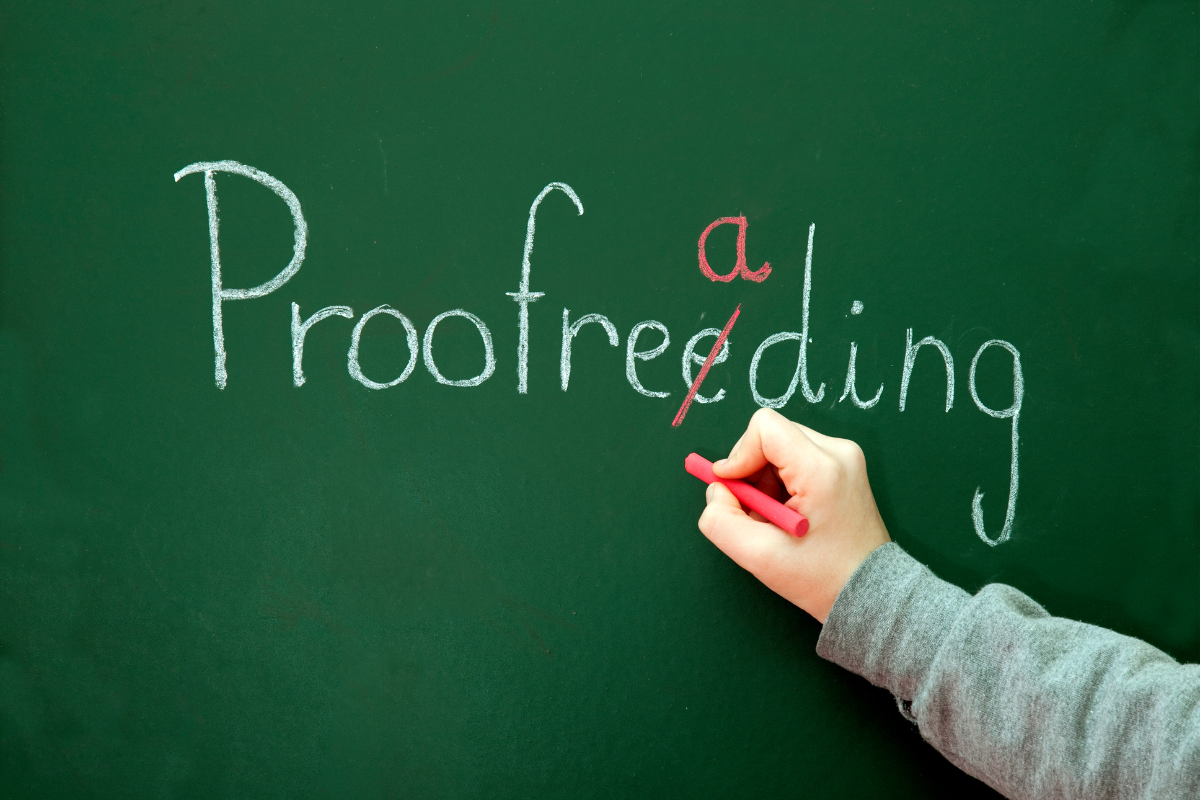
When your formatted book arrives, publication can feel tantalizingly close. The manuscript has been revised. The language has been edited. The cover and interior have taken shape. You can finally see the book as readers will see it.
But that last point is exactly why proofreading before publishing still matters. Until the book has been formatted, no one has reviewed this particular version. A heading may have shifted, a page number may be incorrect, a word may have disappeared while a correction was entered, or a new line break may interrupt the rhythm of a paragraph.
These issues do not necessarily mean anyone was careless. They can survive earlier reviews or arise as the manuscript becomes a designed book. After your broader professional book editing services are complete, proofreading provides one final layer of quality control.
Why Does Proofreading Come Last Before Publishing?
Proofreading comes last because it checks the book in its final, formatted form. Major revisions and copyediting should already be complete, and the interior layout should be stable. Only then can a proofreader catch remaining typos alongside page-level problems such as spacing, headers, page numbers, and awkward line breaks before publication.
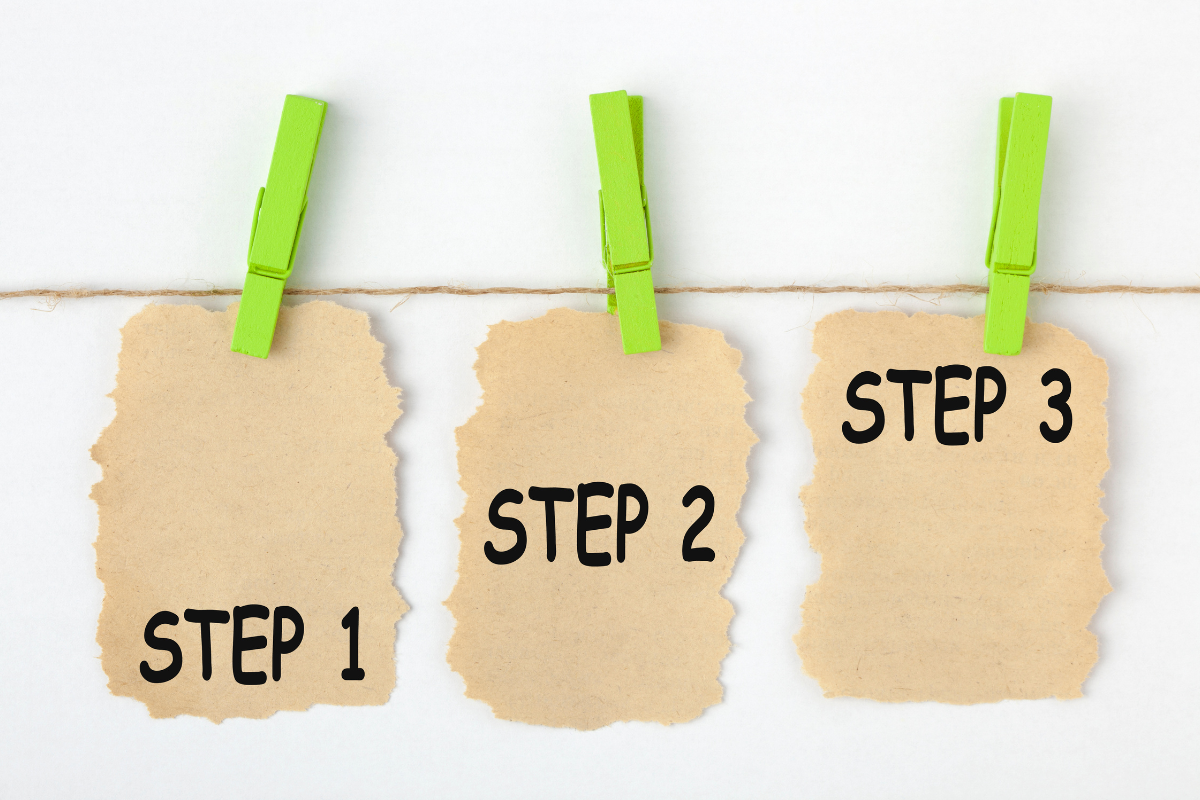
The final production sequence generally looks like this:
Final revisions → Copyediting → Interior formatting → Proofreading → Final approval → Publishing
Each step needs a stable starting point. A proofreader cannot confirm final page numbers before the pages have been created, nor can they evaluate running headers, chapter openings, line endings, image placement, or page balance before formatting.
Inspecting a manuscript before formatting is like inspecting building materials before a room has been assembled: You can check the pieces, but not yet the finished space.
What Needs to Happen Before Proofreading?
Proofreading is most useful when the book’s content and layout are stable. That means several earlier decisions should already be settled.
Major revisions should be complete
Structural changes belong earlier. Adding a chapter, rewriting a scene, or reorganizing an argument can create errors and make previous corrections obsolete. By proofreading, the book’s content and organization should be final.
Copyediting should be complete
Copyediting addresses grammar, punctuation, spelling, usage, consistency, cross-references, and style decisions. Its queries and sentence-level corrections should be resolved before proofreading; otherwise, the proofreader is reviewing language that could still change.
The book should be formatted
Formatting turns the edited manuscript into designed print and digital pages. It establishes page size, margins, typography, chapter openings, headers, footers, page numbers, front and back matter, image placement, paragraph spacing, page breaks, and navigation.
That is why professional book formatting must happen before the final proofread: It creates elements that need to be checked in context.
Proofreading should begin when you are no longer deciding what the book says and are ready to verify how the finished book presents it.
What Does a Proofreader Check in the Final Book?
A professional proofreader looks for small textual and visual problems that remain in the version readers are about to receive.
Lingering text errors
These include:
- Misspelled, missing, or repeated words
- Incorrect punctuation
- Extra or missing spaces
- Inconsistent capitalization
- Incorrect names or terminology
- Errors in chapter titles
- Inconsistent numbers or dates
- Problems in captions, notes, references, or cross-references
Formatting and production problems
A proofreader also checks for:
- Incorrect page numbers
- Missing or misplaced headers and footers
- Inconsistent chapter openings
- Awkward page or line breaks
- Widows and orphans
- Incorrect fonts or font sizes
- Misaligned text, tables, or images
- Inconsistent spacing
- Repeated or missing sections
- Table-of-contents discrepancies
- Errors introduced when corrections were entered
- Navigation or link problems in an e-book
The scope should be established in advance. Some services focus on textual correctness; others include broader production review. No responsible proofreader should promise perfection, but a systematic review substantially reduces distractions.
How Is Proofreading Different from Copyediting?
Copyediting improves and standardizes the working manuscript before formatting. Proofreading reviews the formatted book after the wording and design are mostly final. While a copyeditor queries or revises sentences, a proofreader generally recommends only small corrections needed for publication.
| Copyediting | Proofreading |
| Happens before formatting | Happens after formatting |
| Reviews the working manuscript | Reviews the formatted proof |
| Corrects and standardizes the text | Catches remaining text and production errors |
| May include editorial queries | Should require few new author decisions |
| Can affect sentence structure | Should avoid substantial rewriting |
The services are complementary, not interchangeable. The Editorial Freelancers Association’s professional editorial definitions similarly distinguish proofreading from earlier editing stages by the material being reviewed.
A useful shorthand is simple: Copyediting checks the manuscript; proofreading checks the book.

What Should Proofreading Not Try to Fix?
Think of proofreading as quality control rather than another round of rewriting. It is not the appropriate stage for:
- Reorganizing chapters
- Repairing plot or argument gaps
- Rewriting lengthy passages
- Changing the author’s narrative voice
- Adding substantial new content
- Conducting broad fact-checking
- Reconsidering the intended audience
- Changing the book’s overall structure
- Redesigning the interior
- Replacing a missing copyedit
Late doubts are normal, but authors need to distinguish an essential correction from a new creative preference. Added text moves pages, alters the table of contents, and creates new layout problems, all of which require reformatting and another proofread.
Proofreading is a final inspection, not a final opportunity to rewrite the book.
Why Do Small Errors Matter to Reader Trust?
If readers spot an error, they do not usually identify whether it belongs to copyediting, formatting, or proofreading. They’re simply experiencing whether the book feels smooth, intentional, and easy to follow.
One typo does not erase a strong book. But repeated or highly visible errors create friction: Missing words interrupt sentences, incorrect headings cause confusion, and uneven formatting can make production feel rushed.
This is especially important when a book supports professional credibility, thought leadership, speaking, consulting, subject-matter authority, a brand, or a legacy project.
Professional proofreading protects the reader’s attention. Readers should remember the idea that moved them, the character they loved, or the lesson they learned—not the error that interrupted the page.
When Is a Book Ready for Proofreading Before Publishing?
A book is generally ready for proofreading when:
- Major revisions are complete.
- The author has approved the final wording.
- Copyediting changes and queries are resolved.
- Chapter titles and section headings are final.
- Front and back matter have been added.
- The interior has been formatted.
- Page numbers, headers, and footers are in place.
- Images, captions, tables, notes, and references are positioned.
- A print-ready PDF or final digital proof is available.
- No substantial new content is expected.
- The relevant editorial style sheet is available.
- Everyone understands that only essential corrections should follow.
The book may not be ready if you still expect to add or remove chapters, rewrite substantial passages, resolve numerous editorial queries, replace unfinished images, change the structure, or redesign the interior.
A stable book gives the proofreader a meaningful target. An unstable book turns proofreading into work that will need to be repeated.
Should Authors Proofread Their Own Books?
Authors should review their final books, as they know the intended wording, facts, names, terminology, and creative choices. Yet familiarity can make errors harder to see. After many readings, the mind could supply an intended word instead of noticing what is on the page. A professional brings fresh eyes and a defined process.
Automated spelling and grammar tools identify certain issues, but they cannot reliably evaluate every context, intentional style choice, cross-reference, page-level element, or production inconsistency.
A strong final review process keeps the author involved:
- A professional proofreader reviews the formatted book.
- The author reviews and approves the proposed corrections.
- The formatter enters the approved changes.
- The corrected pages receive a targeted recheck.
- The author reviews the final digital or physical proof.
The author retains final authority throughout.
What Happens After Proofreading?
Proofreading is followed by a short but important correction-and-verification loop.
First, the author or production manager reviews the proofreader’s notes and resolves any questions. The formatter or designer then enters the approved corrections into the source files.
Next, the corrected pages should be checked again. This confirms every correction was made, no new error was introduced, text did not reflow incorrectly, page numbers remain accurate, and the table of contents, headers, images, and spacing still work as intended.
Authors using Amazon KDP can preview their book before publishing to inspect the uploaded file and identify certain technical or formatting problems. A physical proof can also reveal issues with type size, margins, images, cover alignment, and the overall reading experience.
Platform previewers are useful production tools, but they do not replace an editorial proofread. They will confirm the file functions, but a proofreader evaluates whether the final pages read and present well.
The Final Review Protects the Whole Book
By the proofreading stage, you have already invested in the idea, writing, revision, editing, and presentation of your book. Proofreading protects that work at the moment when all those elements finally come together.
It is not a duplicate copyedit. It should happen after the content and formatting are stable. It checks lingering language errors as well as final production details, ensuring the book feels intentional and professionally prepared.
Proofreading before publishing gives you one final opportunity to remove preventable distractions and confirm that the finished book reflects the care invested in creating it.
Give Your Finished Book One Final Professional Review
Your manuscript may be edited and formatted, but the pages readers will receive still deserve a fresh review. Elite Authors’ professional book proofreading services can identify lingering text errors and final production issues before publication.
Frequently Asked Questions
Why should proofreading happen after formatting?
Formatting creates page-level elements such as headers, page numbers, line breaks, spacing, and chapter openings. Reviewing the formatted proof allows a proofreader to check both remaining text errors and final production problems.
Is proofreading the same as copyediting?
No. Copyediting corrects and standardizes the manuscript before formatting. Proofreading checks the formatted book after its wording, design, and layout are substantially complete.
Can a proofreader rewrite parts of my book?
A proofreader may flag an obvious error or ambiguity, but proofreading is not intended for extensive rewriting. Large changes should be completed during developmental editing, line editing, or copyediting.
What file does a book proofreader need?
For a print book, the proofreader commonly needs the formatted or print-ready PDF. Additional materials include the edited manuscript, editorial style sheet, and instructions covering intentional language or design choices.
Should I order a physical proof before publishing?
A physical proof is worth considering because it lets you evaluate the actual trim, margins, typography, images, cover alignment, and overall reading experience before publication approval.