
KDP Isn’t a Strategy: What Authors Need Before They Upload Their Book
April 22, 2026
The Hidden Cost of Skipping Formatting, Design, and a Final Polish
May 19, 2026What Makes a Book Feel Professional? (And Why Readers Notice Immediately)


You can tell within seconds if a book is professionally done—even if you can’t explain why.
It happens all the time. A reader clicks “Read sample” on Amazon, flips through a few pages, and makes a snap judgment. Sometimes they stay. Sometimes they leave. And most of the time, they couldn’t tell you exactly what influenced that decision.
But the truth is, those reactions aren’t random.
They’re driven by subtle, consistent signals that shape how readers perceive your book before they’ve even read a full paragraph. If you’ve ever wondered what makes a book look professional, the answer isn’t just one thing. It’s a combination of visual presentation and structural integrity working together to build trust.
And that trust? It’s everything.
Why readers judge a book’s quality instantly
Readers don’t approach books like editors. They don’t analyze grammar rules or evaluate formatting decisions in a technical sense. Instead, they rely on instinct.
That instinct is powerful and fast.
In a digital marketplace where thousands of books are competing for attention, readers have learned to make quick decisions. They scroll, skim, preview, and decide. Within seconds, they’re asking themselves:
- Does this feel credible?
- Does this look polished?
- Can I trust this author?
These are subconscious questions, but they directly impact whether someone keeps reading—or clicks away.
Think about how you browse content online. You don’t read every word on a page before deciding if it’s worth your time. You scan for signals: clean design, clear structure, readability. Books work the same way.
First impressions aren’t just important—they’re decisive.
And those impressions are built on two core pillars: visual cues and structural quality.
The visual cues that signal professionalism
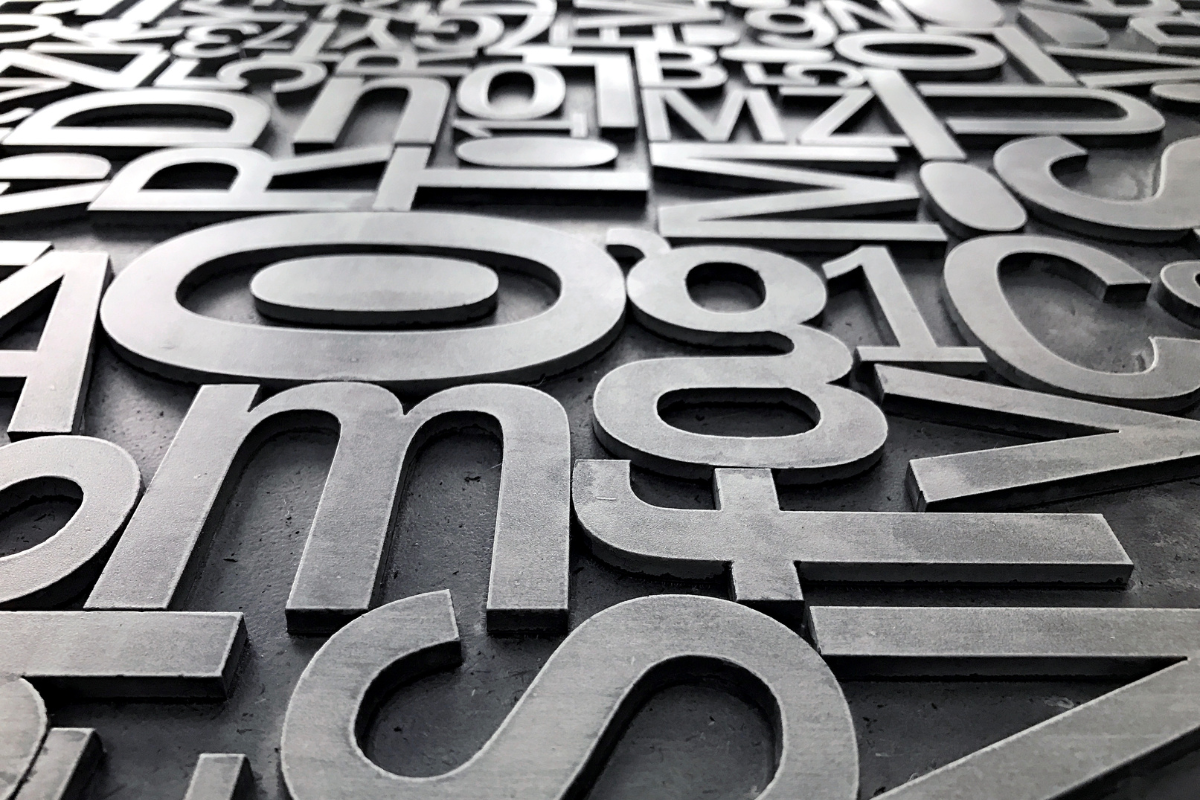
Before a reader processes your story, your message, or your ideas, they process how your book looks.
That’s why professional book design plays such a critical role in reader perception.
Cover design sets expectations instantly
Your cover is your book’s first handshake. It tells readers what genre they’re in, what tone to expect, and whether the book aligns with their interests.
A professional cover:
- Matches genre conventions
- Uses clean, readable typography
- Feels balanced and intentional
An unprofessional cover, on the other hand, creates doubt. If the design feels off—even slightly—readers may assume the content inside is too.
Interior formatting shapes the reading experience
Once a reader opens your book, formatting takes over.
This includes:
- Margins and spacing
- Paragraph alignment
- Chapter headings
- Page consistency
These details might seem small, but they have a huge impact. Clean formatting creates a smooth, immersive reading experience. Poor formatting creates friction. And friction breaks trust.
This is exactly why book formatting matters. It directly affects how easy (or frustrating) your book is to read.
Typography influences readability more than you think
Fonts aren’t just aesthetic choices—they’re functional ones.
Professional books use:
- Readable serif or sans-serif fonts
- Consistent font pairings
- Appropriate sizing and spacing
When typography is done well, readers don’t notice it. When it’s done poorly, it becomes a distraction.
Clean design communicates credibility
Ultimately, readers equate visual polish with professionalism.
A clean, modern layout signals that the author took care in producing the book. A cluttered or inconsistent design suggests the opposite.
And readers respond accordingly.
The structural elements readers feel (even if they can’t name them)
If visual design gets readers in the door, structure is what keeps them there.
And here’s the interesting part: Most readers can’t articulate structural quality, but they absolutely feel it.
Editing quality builds invisible trust
Grammar, sentence flow, and clarity form the foundation of a professional reading experience.
When a book is well edited:
- Sentences flow naturally
- Ideas are clear and cohesive
- The writing feels intentional
When it’s not:
- Readers stumble over awkward phrasing
- Errors pull them out of the story
- Trust begins to erode
Even a few noticeable mistakes can shift a reader’s perception from “professional” to “amateur.”
Consistency in tone and voice matters
A professional book feels consistent from beginning to end.
That means:
- The tone doesn’t shift unpredictably
- The voice remains steady
- The message stays aligned
Inconsistent writing creates confusion, and confusion leads to disengagement.
Organization and pacing guide the reader
Structure isn’t just about sentences. It’s about how the entire book flows.
Strong structure ensures:
- Ideas are introduced logically
- Chapters build on one another
- The pacing keeps readers engaged
When structure is off, readers feel lost even if they can’t pinpoint why.
Clarity removes friction
At its core, professionalism is about removing obstacles between your ideas and your reader.
The smoother the experience, the more trust you build.
What makes a book feel amateur (and why readers disengage)
Just as there are clear signals of professionalism, there are equally clear red flags that signal the opposite.
And readers notice them immediately.
Here’s the hard truth: readers don’t “forgive” these issues. They move on.
In a crowded marketplace, attention is limited—and professionalism is what earns you more of it.
Inconsistent formatting
Shifting margins, uneven spacing, or inconsistent headings create a disjointed experience. Readers may not know what’s wrong, but they know something feels off.
Typos and grammar issues
Errors break immersion. Instead of focusing on your message, readers start noticing mistakes. And once that happens, it’s hard to recover their trust.
Weak or confusing openings
The first few pages matter more than anything else. If they’re unclear, slow, or poorly structured, readers won’t stick around to see what comes next.
Poor typography and layout choices
Fonts that are hard to read, text that feels cramped, or layouts that look outdated all signal a lack of polish.
How to make your book feel professional before readers ever turn page one

The good news? Professionalism isn’t a mystery. It’s a process.
If you’re wondering how to make your book look professional, it comes down to building trust in layers.
Layer 1: Visual trust
This includes:
- Professional cover design
- Clean, consistent interior formatting
- Thoughtful typography
These elements shape the reader’s first impression.
Layer 2: Reading experience
This includes:
- Developmental editing (structure and flow)
- Line editing (sentence-level clarity)
- Copyediting and proofreading (grammar and consistency)
These elements shape how the book feels as it’s read.
Professionalism is engineered—not accidental
No book becomes professional by chance.
It becomes professional through:
- Intentional decisions
- Expert input
- Attention to detail
When these elements come together, the result is a book that feels seamless, polished, and trustworthy.
The compounding effect of professionalism on reviews and sales
Professionalism doesn’t just improve the reading experience. It amplifies your book’s success.
Here’s how:
- Better experience → Better reviews
Readers who enjoy a smooth, polished book are more likely to leave positive feedback. - Better reviews → More conversions
Social proof plays a major role in purchasing decisions. - More conversions → Greater visibility
Retail algorithms reward books that perform well.
In other words, professionalism creates momentum.
And that momentum builds over time.
Transform your writing into a book you’re proud of
Finishing your manuscript is a huge accomplishment. It’s the heart of your book.
But what makes a book look professional—and what makes readers trust it—is everything that comes after.
The design. The structure. The polish.
These are the elements that transform your writing into something readers recognize as credible, valuable, and worth their time.
If you want your book to feel as powerful as the story inside it, professional support makes all the difference.
Because in the end, readers may not be able to explain why a book feels professional.
But they always know when it does.
Your professional and publish-ready book is within reach
Looking to publish smarter, not harder? Partner with Elite Authors to bring out the very best in your book—from editing to formatting and beyond.