
Book Promotion After Launch: A Sustainable Plan
September 11, 2026
How Business Authors Can Use a Book to Build Authority
September 16, 2026Video Book Trailers: When They Help and How to Use Them

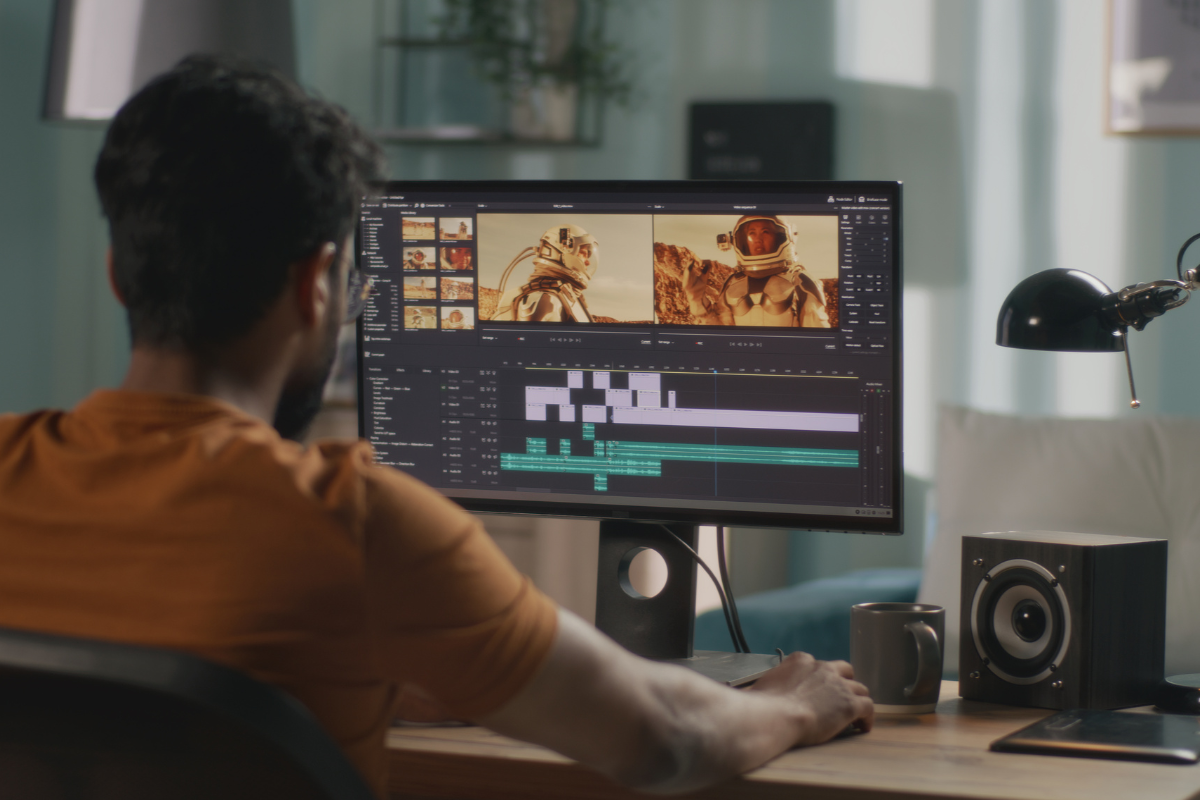
You’ve polished your book description, prepared your retailer listing, and created a few social posts. Now you need to introduce that book to readers in fresh ways, without repeating the same message everywhere. So, consider a video book trailer as part of your promotion plan.
A video book trailer helps most when you have specific places to use it. A focused trailer can support your book launch, give your website and social channels a visual promotional asset, add interest to reader campaigns, and introduce your book quickly without summarizing the entire story.
The trailer itself isn’t a complete promotion strategy. Its value comes from giving you a reusable piece of content that works alongside the other ways you’re reaching readers.
If you’re wondering whether a trailer makes sense for your book, start with two questions: What should the video communicate, and where will readers encounter it? Those questions will help you get more from the asset long after its first appearance.
What a video book trailer should accomplish
A video book trailer is a short promotional video that introduces your book’s central appeal through a combination of visuals, text, music, and other audio elements. Think of it as an invitation into the book rather than a condensed version of everything between the covers.
What that invitation looks like depends on what you’ve written. A mystery or thriller must establish tension and raise a compelling question. A romance will focus on emotion, chemistry, or conflict. A memoir should evoke the experience or transformation at its center. For nonfiction, the trailer introduces a problem readers recognize and the insight or promise the book offers.
Whatever the genre, a strong trailer gives viewers enough information to become curious.
That usually means establishing the tone, genre, central idea, or stakes early. The book cover and other recognizable branding should connect the video to the finished book. By the end, viewers should understand what to do next, whether it’s means visiting your author website to learn more about the book or finding it through a retailer.
Trying to explain too much works against that goal. Forty-five seconds is enough time to establish a feeling or idea, but it isn’t enough time to recap a novel’s entire plot, cover every lesson from a nonfiction book, or introduce every character.
Keeping the message focused makes the trailer easier to use elsewhere. Instead of functioning as a one-time summary, it becomes a flexible introduction to the book you can bring into different parts of your promotion.
When a video book trailer supports book promotion
A video book trailer makes the most sense when you already know when, where, and for whom you plan to use it. You don’t need an enormous audience or an elaborate marketing operation. You do need a practical role for the video.
One clear opportunity is a launch or other book announcement. A trailer gives you something substantial to share during preorder promotion, release week, a cover-related campaign, or even a later effort to bring renewed attention to a backlist title. Instead of announcing the book with the cover alone, you have a visual asset introducing some of the experience readers can expect.
A trailer also makes sense when your audience spends time on visual platforms. Your social promotion might already include cover graphics, author photos, reviews, quotes, or behind-the-scenes content. Video adds another format to that mix and gives you a way to talk about the book without relying on another text-heavy post. If you’re developing your broader presence, our guide to social media marketing for authors offers ways to connect your book with readers online.
The number of useful destinations matters too. If you have an author website, email list, event calendar, YouTube channel, or active social accounts, the same trailer supports several reader touchpoints. That gives the asset a longer useful life than a video created solely for a single launch-day post.
Finally, consider whether you regularly need a concise way to introduce the book. Event pages, speaking engagements, virtual appearances, campaign landing pages, and reader outreach give you limited time or space to capture attention.
If you don’t yet have a landing page, audience strategy, promotional channels, or a plan for reaching readers, those foundations deserve your attention first. The strongest book trailer marketing starts with an idea of where the trailer fits rather than the production of a video and a decision on what to do with it as an afterthought.
Where to use your book trailer
Once your trailer is finished, resist the temptation to post it once and move on. One trailer becomes more useful when it appears at several meaningful points in the reader journey.
Launch announcements
Preorder and release periods give you natural reasons to introduce a trailer.
You might make the full trailer the focus of an announcement, pair it with a reminder that preorders are open, or bring it back during launch week for readers who missed its original release. Months later, the same video could support a campaign around an event, seasonal theme, award, review milestone, or renewed push for an existing title.
The important part is context. Give readers a reason to encounter the trailer now rather than simply reposting it without explanation.
Your author website
Your website provides a natural home for the trailer because visitors are already there to learn about you or your work.
Consider placing it on the book’s landing page, a media page, or another page where it adds useful context. Keep the video close to a logical next step, such as the full book description, retailer information, newsletter signup, upcoming event, or author bio.
That placement ensures the trailer does a specific job. Rather than adding video to the website for its own sake, you’re giving interested visitors another way to experience the book before deciding what they want to do next.
An email list gives you direct access to readers who have already chosen to hear from you, making it a useful place to introduce or reshare a trailer. If you’re still developing that audience, start with a plan to build your author email list so future launches aren’t dependent entirely on social algorithms.
For the trailer itself, use a clickable thumbnail or preview image with a clear play button that sends subscribers to the hosted video or a relevant landing page. Most email clients don’t support standard embedded video, so readers must click through to watch it in a browser. Mailchimp provides practical guidance on how to share video in email using this type of preview approach.
You can then give the email a purpose beyond “watch my trailer.” Connect the video to a launch announcement, preorder reminder, event invitation, behind-the-scenes note, or a similar timely reason to engage with the book.
Social media and YouTube
Social platforms give your trailer multiple possible jobs. It might anchor a launch post, provide visual material for an ongoing campaign, or return at strategic moments when you want to call attention to the book again.
If your deliverables allow shorter excerpts, those clips can also give you additional material while the complete trailer remains available elsewhere.
When you upload the full trailer to YouTube, don’t treat uploading as the final step. Give the video an accurate, useful title and a unique description that explains what viewers are about to see. YouTube recommends using one or two important terms prominently in the title and description to help viewers find relevant content through search. Its guidance on how to optimize your video description provides additional details.
Event and reader-facing pages
Think beyond the channels you update every week.
A trailer can also appear on a book launch page, virtual event listing, author appearance page, speaker page, reader campaign, or other destination where people are actively deciding whether the book interests them.
These uses are valuable because the viewer has context. The trailer isn’t competing to explain everything from scratch. Instead, it adds a layer to information the reader is already considering.
How to get more value from a forty-five-second video book trailer
Forty-five seconds forces you to make choices, and that creative discipline is useful. A strong video doesn’t need to explain everything about your book. It needs to give the right reader a reason to want more.
Think of the trailer in three parts.
Opening: Give the viewer an immediate reason to pay attention. Introduce a question, mood, problem, statement, or visual connecting directly to the book.
Middle: Develop the book’s central appeal. For fiction, that means conflict, atmosphere, stakes, or emotional tension. For nonfiction, it means the problem being addressed, the transformation readers are seeking, or the perspective that makes the book useful.
Close: Bring the focus back to the book itself. Reinforce the cover, title, or author name, and give the viewer a clear next action.
The creative choices should feel as if they belong to your book. Music, imagery, pacing, typography, and text communicate expectations. A tense thriller shouldn’t create the same visual experience as a reflective memoir. A leadership book should feel different from a children’s adventure. With consistency, readers understand what kind of experience the book offers before they ever open it.

Plan for distribution while the trailer is being developed rather than after it arrives. Decide which page on your website will feature it. Know whether it will support a launch email or event. Identify the social channels where you’ll share it and whether YouTube or Vimeo will provide its permanent home.
That planning changes the question from “Should I get a book trailer?” to “What role will this trailer play in the promotion I’m already building?”
The second question gives you a much better basis for deciding whether the investment fits your goals.
Give your book trailer a job in your promotion plan
A good book trailer introduces your book quickly, creates a visual and emotional connection, and gives you content you can reuse across multiple promotional moments. Its usefulness depends on what happens after the video is finished.
Think about the readers you want to reach, the channels you already use, and the moments when a visual introduction would strengthen your message. Then build the trailer into those plans intentionally. Your launch, website, email, social media, events, and ongoing reader outreach can give the same asset a different purpose.
And keep your expectations grounded. One video doesn’t need to carry an entire book launch. It should support the larger promotion strategy you’ve created around the book.
If you want a polished video without having to source footage, imagery, music, audio, and production support independently, Elite Authors offers a professional forty-five-second video book trailer service tailored to your individual book.
Give the trailer a clear role from the beginning, and you’ll have more than a launch-day asset—you’ll have another way to introduce your book whenever the right reader comes across it.