
How to Promote Your Book Without Feeling Salesy
July 17, 2026
Going Beyond Print: Audiobooks for Self-Published Authors
July 20, 2026How to Build an Author Platform from One Book


Publishing a book is a major milestone, but it is not the finish line for your visibility as an author. If you want to build an author platform that lasts, your first book needs to do more than collect a few launch-week sales. It needs to support book marketing after publishing, strengthen your author brand growth, help you grow your audience as an author, and create long-term author visibility that keeps working after the excitement of release day settles.
That shift in perspective changes everything. Instead of seeing your book as a one-time event, you start to see it as a central asset: a source of ideas, proof of expertise, reader trust, and future opportunities.
The good news is that this does not require constant self-promotion or a huge team. It requires clarity, consistency, and a plan you can actually maintain. The book is not the campaign. It is the asset that powers the campaign.
Why publishing your book should be the beginning, not the finish line
A lot of authors pour everything into the publishing process and then hit an invisible wall. They finish the manuscript, move through editing, design, formatting, and launch prep, and then assume the hardest part is over. In reality, launch is often the moment your book becomes most useful.
Once your book exists in the world, it gives readers a clear entry point into your work and gives interviewers, podcast hosts, event organizers, and potential collaborators a reason to take a closer look at what you do. That matters in a crowded market.
Visibility rarely comes from one dramatic push. It usually comes from repeated exposure to a clear message. A reader sees your book mentioned on a podcast, subscribes to your newsletter, reads a guest article you wrote, and only then decides to buy. Another reader hears you speak first and discovers the book afterward. That kind of momentum is built after publication, not before it.
What it really means to build an author platform
To build an author platform is not to chase every social channel, collect vanity metrics, or turn yourself into a nonstop content machine. A platform is the ecosystem that helps people discover you, understand what you offer, and stay connected to your work over time. It includes your message, your audience, your content, your visibility channels, and the trust you build across all of them.
Your platform is what makes your book easier to find and easier to remember. It is also what keeps your work moving forward when you are not in active launch mode.
That structure usually rests on a few steady elements. An author website gives people a home base. An email list lets you stay in touch without depending on an algorithm. A small number of content channels help you show up consistently. Clear positioning tells readers why your work matters and who it is for.
This is why platform building should feel less like broadcasting and more like service. You are not simply telling people that your book exists. You are giving them useful ways to engage with the ideas inside it and helping the right readers find the right message at the right time.
How book marketing after publishing creates long-term author visibility
Book marketing after publishing often sounds exhausting because authors imagine it as endless promotion. In practice, the most effective post-launch strategy is not about repeating “buy my book” in different places. It is about creating durable touchpoints that keep your message circulating and make your work easier to discover long after launch.
That starts with owned assets. Your website, email list, author bio, speaker page, media kit, and reader resources keep working for you even when you are not actively campaigning. They give interested people a clear next step, and they help you turn passing attention into an ongoing connection.
It also includes recurring content. One book can generate months of newsletter topics, article angles, Q&A responses, discussion prompts, behind-the-scenes reflections, short videos, or podcast conversations. Instead of asking, “What should I post today?” you can ask, “What part of my book solves a problem, sparks curiosity, or invites a deeper conversation?”
That simple change supports long-term author visibility because it turns your book into a reusable source of value. A chapter can become a newsletter. A story can become a speaking example. A recurring reader question can become a blog post. A framework from the book can become a workshop or downloadable guide.
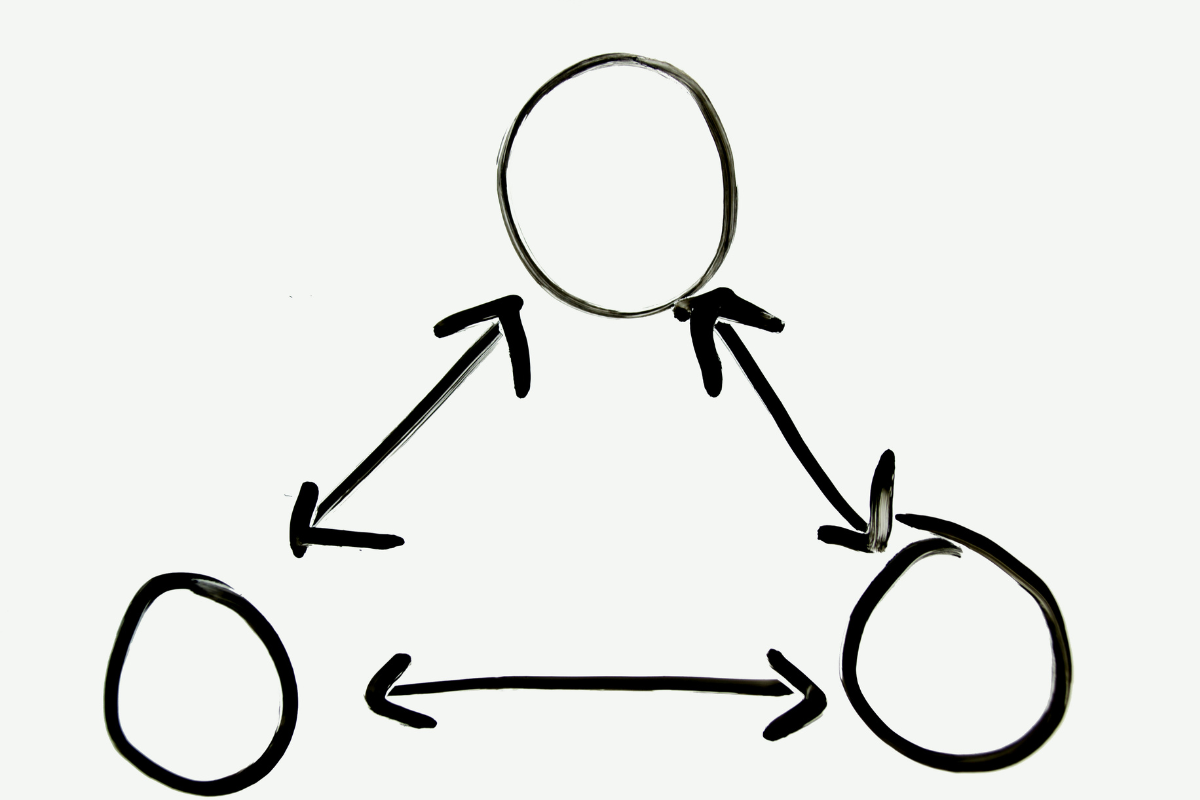
Strategic appearances matter too. Guest podcasts, online summits, local events, interviews, newsletter swaps, and contributor opportunities all extend the life of your book when they are aligned with your audience. You do not need dozens of them. You need the right ones, repeated over time, with a clear message that links back to the book and the larger work you want to be known for.
If you want book marketing after publishing to feel manageable, keep this test in mind: every activity should either deepen trust, increase discoverability, or grow your audience as an author. If it does none of those things, it may be noise. If it does one or more well, it is probably worth your energy.
Ways to repurpose one book into ongoing reach
One of the smartest ways to grow your audience as an author is to stop treating your book like a single finished product. A book is also a library of angles, ideas, stories, examples, and themes you can reshape for different audiences and formats. Repurposing is not about saying the same thing on repeat. It is about helping more people encounter the heart of your message in ways that fit their habits and needs.
Imagine an author who publishes a memoir-inflected nonfiction book about burnout, recovery, and rebuilding a more sustainable life. The book itself tells a powerful story, but it can do much more than sit on a sales page.
That author might turn one chapter into a monthly newsletter theme, a personal story into a podcast pitch, a framework into a workshop, and a central idea into a keynote topic. A reader resource could become a downloadable checklist. A reflective section could become a guest article. Suddenly, one book is creating repeated opportunities for connection without requiring the author to invent a completely new message.
A practical way to do this is to pull apart your book at four levels:
- Big ideas: What are the core themes, arguments, or transformations in the book?
- Useful pieces: What chapters, stories, examples, or questions could stand alone in a shorter format?
- Audience needs: Which parts speak to beginners, loyal readers, event audiences, or media hosts?
- Best-fit formats: Which ideas work best as articles, emails, interviews, speaking topics, discussion guides, or lead magnets?
Once you answer those questions, your content plan gets much easier. You can map one section of the book to one month of visibility work. You can develop a few repeatable categories so your audience starts to recognize what they get from following you.

Not every format will make sense for every writer, and that is okay. A novelist may lean into reader newsletters, book club questions, interviews, and behind-the-scenes reflections. A business author may emphasize speaking, thought leadership articles, podcast guesting, and downloadable resources. A memoirist may find the strongest response through essays, interviews, and community conversation. The principle stays the same: use the book as your source, and choose formats you can sustain.
If you want a starting point, begin with four assets: a strong author website, a welcome email sequence, three to five repeatable content topics drawn from the book, and one outreach list for podcasts, newsletters, or events. That small system can do a surprising amount of work when you use it consistently.
How author brand growth compounds over time
Author brand growth is not about turning yourself into a logo. It is about building recognition around a clear promise. When people come across your name, what do they associate with it? What kind of stories, questions, expertise, tone, or transformation do they expect? The clearer that answer becomes, the more every appearance and piece of content strengthens the next one.
This is where consistency matters more than novelty. Many authors feel pressure to constantly reinvent their messaging because they do not want to sound repetitive. In reality, repetition is often what makes a message memorable. Your audience is not reading every post, hearing every interview, or memorizing every sentence. They are picking up patterns over time.
When your book, bio, newsletter, interviews, and social content all reinforce the same core identity, author brand growth becomes much easier. Readers begin to understand not just what you wrote, but why your work matters. They know what kind of conversation they are entering when they engage with you.
This is also one of the strongest ways to grow your audience as an author without feeling scattered. You do not need to appeal to everyone. You need to become more recognizable and useful to the readers you most want to reach. Clarity attracts. Consistency reassures. Relevance gives people a reason to stay.
Think of platform building as compounding, not exploding. A newsletter subscriber becomes a podcast listener. A podcast listener becomes a book buyer. A book buyer becomes a repeat reader. A repeat reader recommends you to a friend, joins your launch team, attends your event, or hires you for a workshop. Each interaction may look small on its own, but together they create a network of trust that is far more durable than a single burst of attention.
Let your book open the next door
Your first book does not have to carry your entire career on its back, but it should not have to retire after launch week either. A strong book can keep introducing you, keep starting conversations, and keep creating new opportunities when you treat it as the center of a larger ecosystem instead of a one-time event.
That kind of growth is not built through pressure or performance. It is built through clarity, consistency, and a willingness to let one meaningful project keep working in multiple ways. When you build an author platform with that mindset, your book becomes more than a product. It becomes proof of your voice, a tool for connection, and a foundation for everything you want to build next.
If you are thinking beyond launch and want a book that can support lasting visibility, it helps to start with a manuscript and publishing strategy built for that bigger role. Elite Authors helps writers create books strong enough to support credibility, reader trust, and long-term author visibility, from big-picture development through line editing, copy editing, and proofreading. When your book is built with care and used with intention, one finished manuscript can become the beginning of something much larger.