How Business Authors Can Use a Book to Build Authority
September 16, 2026
After Book Publishing: A Long-Term Growth Checklist
September 21, 2026Audiobooks for Self-Published Authors: When to Expand


You’ve published your print book. Your ebook is available. Maybe readers are finding your work, your backlist is growing, or you’re considering how your book can reach people even after its launch. At that point, another question often appears: Is it time to create an audiobook?
Audio is no longer a fringe format. According to the Audio Publishers Association’s audiobook industry data, U.S. audiobook sales reached $2.43 billion in 2025, up 9 percent from the previous year. That growth makes audiobooks for self-published authors worth considering, but there are reasons beyond popularity alone for producing another edition.
When should a self-published author consider an audiobook? A good time is after your manuscript and positioning are settled and you understand who your readers are. Then consider whether those readers use audio, whether your book translates well to listening, and whether you have the resources to produce the format professionally.
The goal is to choose the next format because it fits your book and audience, not because you feel pressured to be everywhere at once.
Why audio deserves a place in your format strategy
Readers don’t all experience books the same way. Some prefer the feel of a print edition. Others choose an ebook because it travels easily. Audio offers an alternative when reading from a page or screen doesn’t fit the moment.
That flexibility matters for discoverability and accessibility. A reader might listen while commuting, exercising, doing household tasks, or simply because audio is the format they prefer. Making a book available in another format gives people another path to encounter your work and decide whether it belongs in their reading life.
Format expansion gives an established book another point of relevance. If a title still generates interest after launch, an audiobook gives you a reason to reintroduce it to your audience without rewriting or repackaging the core work. For a business author, audio might also suit an audience accustomed to podcasts, spoken-word learning, and content consumed on the go.
Still, an audiobook should have a role in your larger publishing strategy. If your print and ebook editions still need attention, you should prioritize that work. Strong positioning, polished content, thoughtful presentation, and a clear understanding of the intended reader create a better foundation for every future format.
Should every self-published book have an audiobook? No. The better question is whether audio adds a useful way for your specific readers to experience this specific book.
When audiobooks make sense for self-published authors
Audiobook readiness is easier to judge when you look at four factors together: audience, book, resources, and timing. None of them provides the answer alone, but together they show whether audio is a natural next step or an idea to revisit later.
Audience: Start with the people you wrote the book for. Do they already listen to audiobooks, podcasts, lectures, or other spoken-word content? Have readers asked whether an audio edition is available? If your audience regularly learns or reads by listening, audio may remove a barrier between them and your work.
Book: Consider how the material will sound rather than how it looks on the page. Narrative fiction, memoir, practical nonfiction, and many business books often lend themselves well to spoken delivery. Books that depend heavily on complex charts, tables, visual exercises, footnotes, or other page-specific elements require more planning. That doesn’t automatically rule out audio, but it does mean you need a clear approach to the listening experience.
Resources: Producing an audiobook requires time, money, attention, and quality control. You’ll need to decide whether you will narrate the book yourself or work with a professional narrator, how recording and postproduction will be handled, and who will review the finished audio. A rushed production undermines a polished manuscript, so the resources available should match the quality you want readers to associate with your book.
Timing: Your existing edition should be stable before recording begins. If you’re still making substantial revisions, rethinking chapter order, changing your title, or correcting recurring problems in the text, it’s too early to think about audio. You will create avoidable rework if you record a version that soon becomes outdated.
A few signals can strengthen the case for moving ahead. Readers may be asking for audio. A backlist title may still attract attention months or years after release. Your audience may consume a lot of audio content already. Or your book may support a broader author platform in which listening fits naturally.
If those signals aren’t present yet, you haven’t missed an opportunity. You’ve learned that another part of the publishing plan deserves your attention first.

How to tell whether your book is ready for audio
Before self-publishing an audiobook, make sure the book itself has reached a stable, publication-ready state. Recording magnifies every word. Small issues that are easy to fix in a working manuscript become more expensive and time-consuming once a narrator has recorded them and an audio editor has processed the files.
Start with a finalized manuscript. Developmental editing, line editing, copyediting, and proofreading should be complete as applicable to your book. ACX’s current guidance for rights holders states a manuscript must be complete and fully edited to be considered recordable. That’s a useful standard even if you ultimately use another production or distribution path.
Next, confirm the structure is settled. Chapter order, section titles, front and back matter, and any passages adapted for the listening experience should be clear before narration starts. If your book contains unusual names, invented terms, technical language, foreign words, or acronyms, prepare pronunciation guidance so the delivery remains consistent.
You should also confirm you control the necessary audio rights. A self-published author often retains those rights, but assumptions aren’t enough if another agreement, contributor, publisher, or previously licensed edition is involved. Resolve questions about rights before spending money on production.
Then look at the supporting book information. Your title, author name, description, and other metadata should be established and consistent. The audiobook becomes another edition of the same intellectual property, so readers should encounter a coherent identity across formats.
Finally, know the intended listener. “People who like books” is too broad to guide a format decision. Think about the reader you already want to reach and how audio would fit that person’s habits, needs, or preferences.
This readiness work is part of the same professional mindset that shapes editing, cover design, and professional book formatting. Each format asks the book to perform in a different environment, and thoughtful preparation helps the experience feel intentional.
What audiobook production requires beyond a finished manuscript
A final manuscript is the starting point, not the whole production plan. Audiobook production for authors adds a new set of creative and technical decisions because the reader’s experience now depends on voice, pacing, sound quality, and file preparation.
First comes narration. Some authors are suited to reading their own work, especially when their voice is closely tied to a memoir, business platform, or personal teaching style. Others benefit from a professional narrator whose performance skills serve the tone, characters, or complexity of the text. The right choice depends on the book, the listener, the author’s abilities, and the available budget.
Next comes script preparation and recording. The narrator needs a clean, final text with pronunciation notes and any guidance required for passages that don’t translate directly from page to audio. Recording needs an environment and setup capable of producing consistent sound.
After recording, the files move through editing, mastering, and quality assurance. ACX’s current audio submission requirements address elements such as consistent sound, chapter or section files, noise levels, peak levels, and file specifications. Those requirements illustrate why professional-sounding audio involves more than reading a manuscript into a microphone.
Cover preparation, metadata, and distribution follow. The audiobook needs its own correctly prepared cover asset and accurate information so platforms and listeners can identify the title, author, narrator, and edition consistently.
If you’re ready to explore those steps in more detail, Elite Authors’ audiobook production process walks through preparation, narration, postproduction, distribution, and evaluation. Use that deeper guide when you move from deciding whether to create an audiobook to planning how the production will work.
The key is sequencing: Make the book ready first;then build an audio production process that protects the quality you’ve already created.
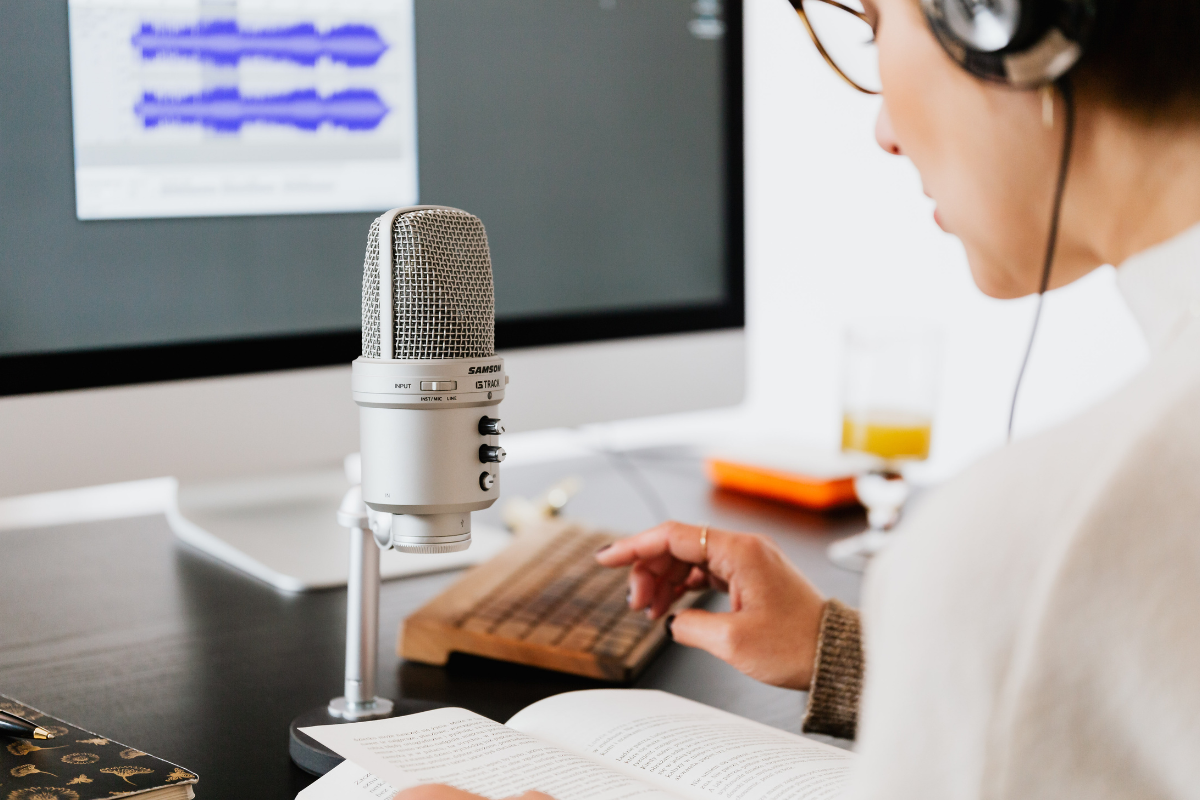
Choose your next format with your long-term goals in mind
An audiobook doesn’t have to launch at the same time as your print book and ebook. For many self-published authors, format expansion makes more sense after the book has had time to find readers, generate feedback, and reveal how the audience prefers to engage.
Before moving forward, ask yourself a few practical questions:
- Whom am I trying to reach?
- How do those readers consume books and ideas?
- Is my manuscript truly final?
- What would audio contribute to this title’s life?
- Can I give narration, production, review, and distribution the attention they require?
Your answers may point toward audio now. They may also show your next best step is strengthening your existing editions, building reader visibility, or learning how to promote your book authentically. Both outcomes are useful because a smart format strategy follows the needs of the book rather than a fixed publishing checklist.
Audiobooks for self-published authors offer a meaningful way to think beyond print and ebook when the audience, manuscript, resources, and timing align. If your book is published or nearly there and you’re wondering what format should come next, Elite Authors can help you think through your book’s readiness and the next stage of your publishing journey.